Industrial disease
Which occupations were exposed to asbestos?
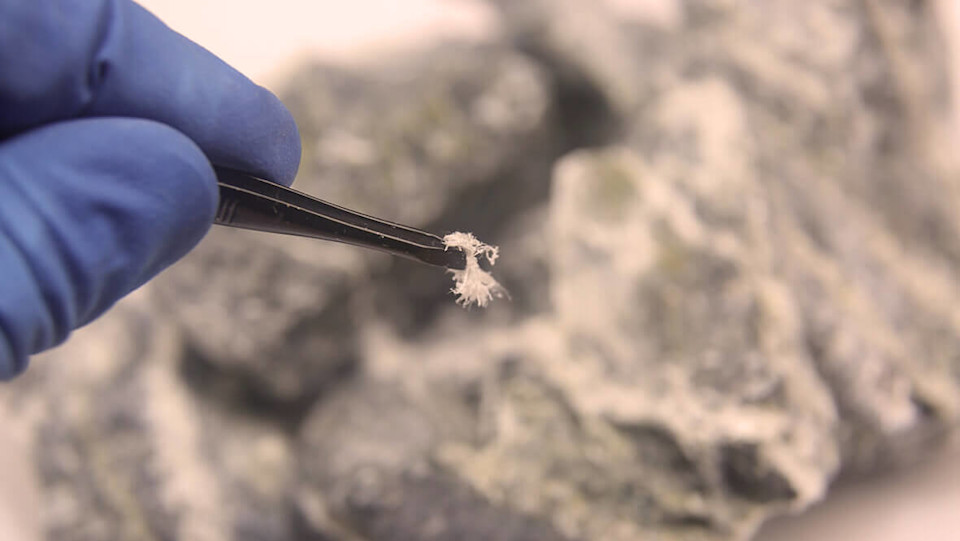
Asbestos was heavily used in many industries throughout the UK until it was banned in 1999, but which occupations were exposed to asbestos? In this article, we explore which industries and occupations were at risk of asbestos exposure, and what to do if you’ve been affected.
Could you have been exposed to asbestos?
Since the use of asbestos was banned in the UK, there has been a surge of awareness on the effect of asbestos exposure on people’s health. Many industries are well-known to have been at higher risk of exposure, though some occupations can be overlooked simply due to a lack of understanding of how asbestos was used.
Which industries used asbestos?
Industries that relied heavily on the use of asbestos are often at a much higher risk of exposure, as employees were required to handle or install products containing asbestos fibres on a frequent basis.
Without the right protective gear, workers who regularly handled asbestos are highly likely to have inhaled asbestos fibres, significantly increasing the risk of developing an asbestos-related illness such as asbestosis or mesothelioma.
Before the use of asbestos was banned, it was used in many industries over decades. The most high-profile use of asbestos in industry occurred in construction and manufacturing, though it was also heavily used in power generation, electrical trade, ship building, the auto industry, and metal work.
Which occupations were exposed to asbestos?
As industries such as construction, power and electrical trades made heavy use of asbestos, occupations in these areas were at a much higher risk of exposure. This includes job roles such as:
- Construction workers, particularly insulation fitters
- Electricians and electrical workers
- Electrical plant operators
- Metal plate workers
- Plumbers and gas fitters
- Carpenters
- Vehicle body builders
There are, however, other occupations that are sometimes overlooked. This is often due to a lack of awareness about how widespread the use of asbestos was or the risk of secondary exposure.
For example, while they don’t work directly with asbestos or asbestos products, there have been multiple cases of teachers developing an asbestos-related illness. This is largely due to the presence of asbestos in the building materials used in school buildings.
Other less commonly known occupations for asbestos exposure include:
- Firefighters
- Bakers
- Hairdressers and barbers
There has also been an increase in the number of cases of asbestos-related illness reported among women. One of the main reasons attributed to this is the exposure caused by a partner or husband bringing asbestos fibres into the home on their clothes after work.
What to do if you’ve been diagnosed with an asbestos-related illness
Asbestos exposure’s extremely dangerous, and even minor exposure can lead to illnesses such as mesothelioma. If you think that you’ve suffered in any way due to asbestos exposure, then our expert lawyers are here for you.
We offer all our clients funding on a No Win No Fee basis, and our asbestos solicitors don’t charge our clients suffering from an asbestos related illness any costs if you win your case, so you’ll get to keep 100% of your compensation.
Contact us on 0330 041 5869 or online here to speak to a specialist asbestos solicitor.